
Woodland and Brook
Ten acres of wildlife-rich green space in the heart of Dartington.
A greener park for everyone
Meadowbrook Park is 10 acres of land in the heart of Dartington. It includes recreational buildings, a bike track, woodlands, a section of the Bidwell Brook and playing fields, also known as Dorothy Elmhirst Playing Field.
The land is owned by The Dartington Hall Trust on long lease to Dartington Recreation Association (DRA, the charity behind this website).
Earthjump CIC, in collaboration with DRA, has worked with the wider Meadowbrook community to develop a Green Vision for the park with seven core aims:
- Maintain and enhance the important habitats and species.
- Provide high-quality sites for education, recreation and sport.
- Maintain and enhance public enjoyment of the green spaces.
- Agree management objectives for the green spaces.
- Identify management actions to achieve these goals.
- Conserve a much-valued green space in the heart of Dartington.
- Provide relevant information to help inform the management plan.
Wild meadow areas semi-improved neutral grassland
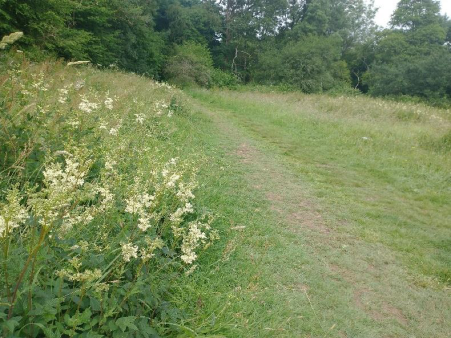
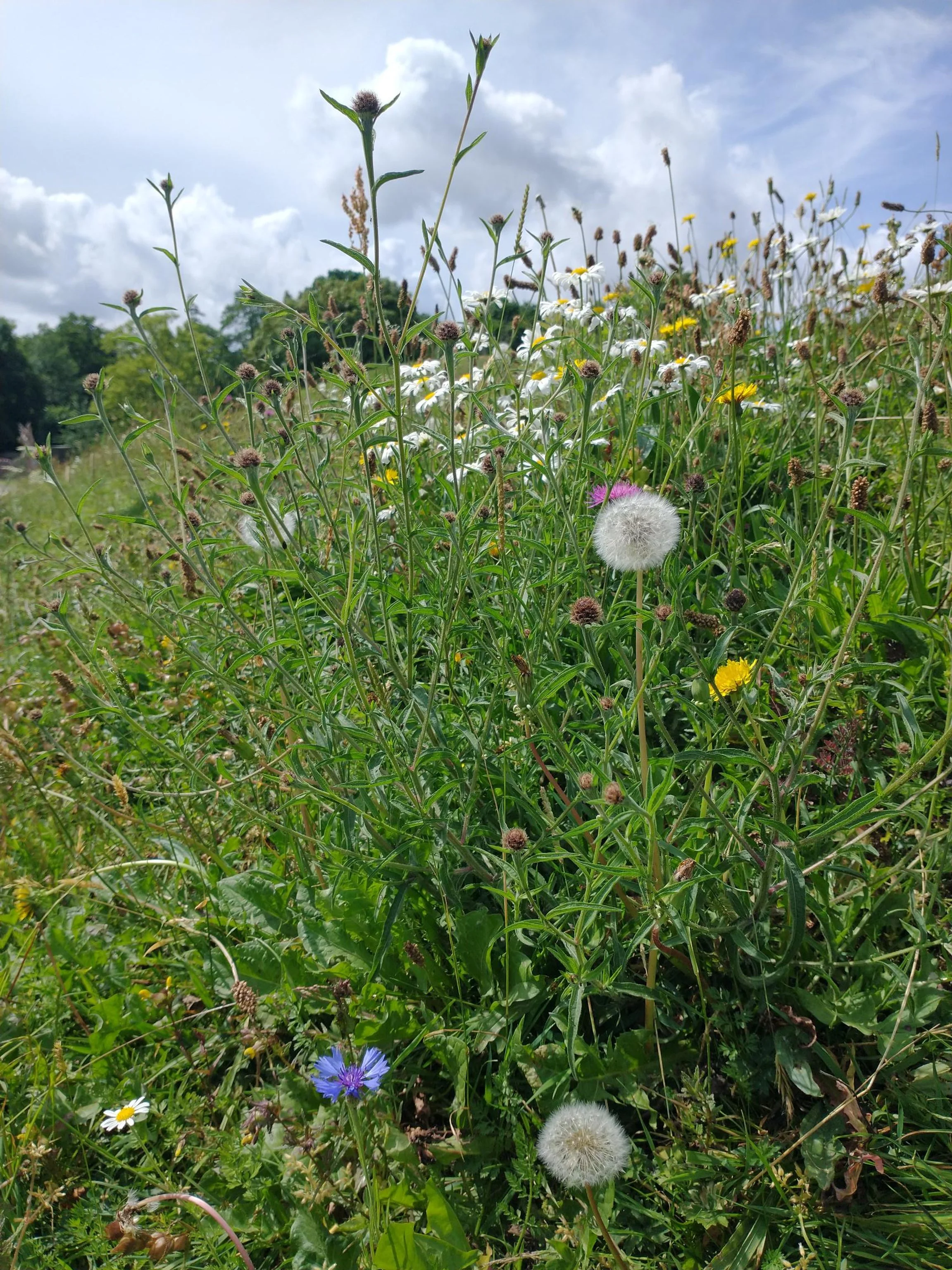
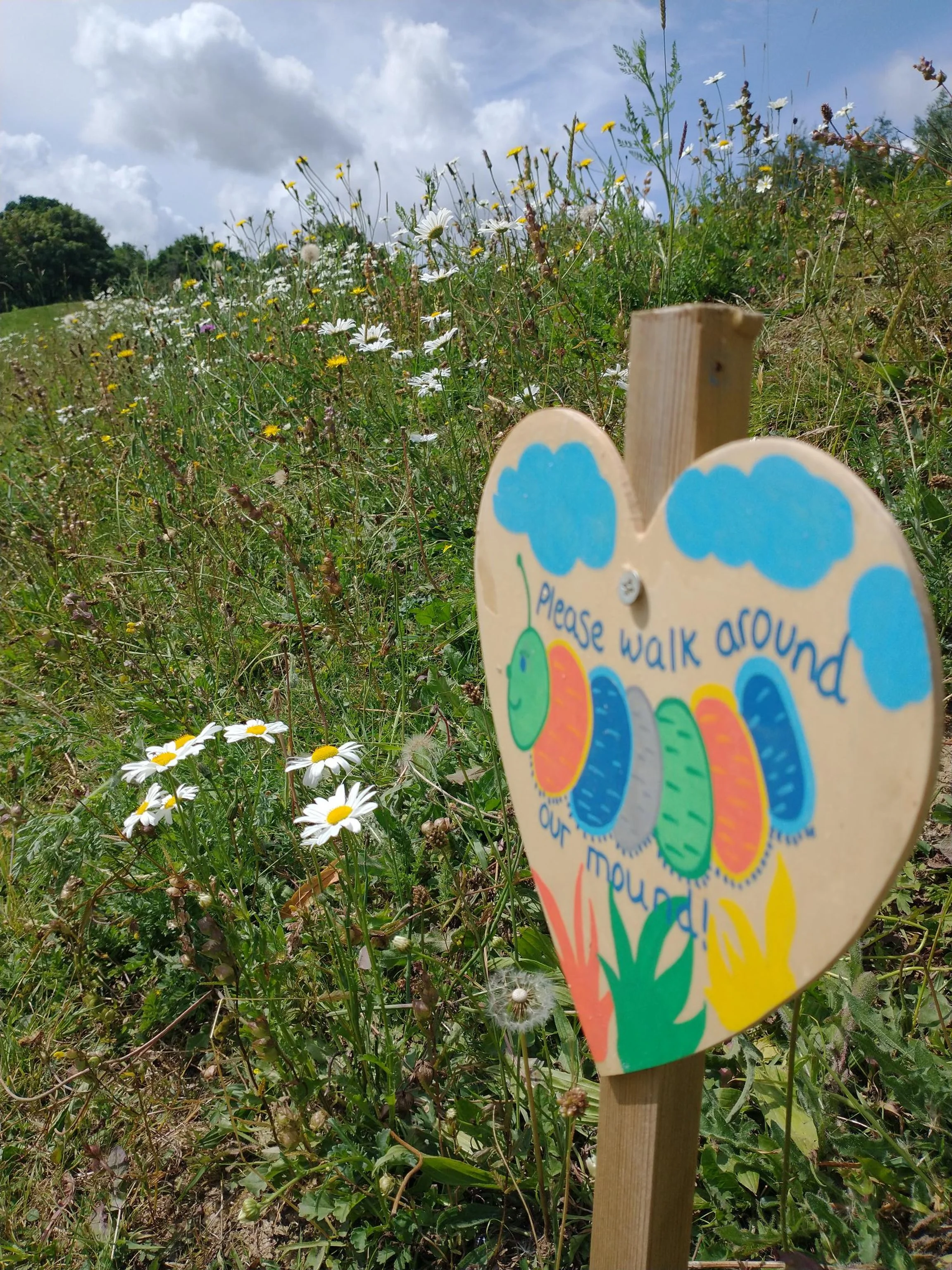
The most established meadow is the Rabbit Triangle in the west of the park, a damp site that has been grassland since at least 1946. Historically, the rabbit population kept the grass short. Notable species include Southern Marsh Orchids (nine plants recorded in 2022) and Common Spotted Orchids.
Semi-natural broadleaved woodland
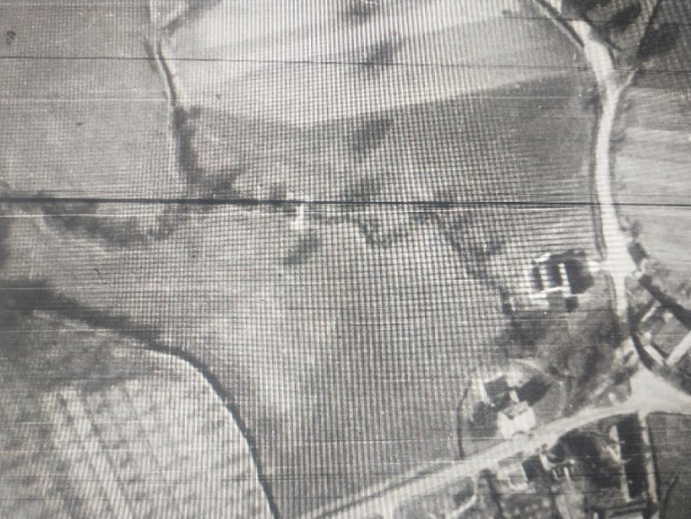
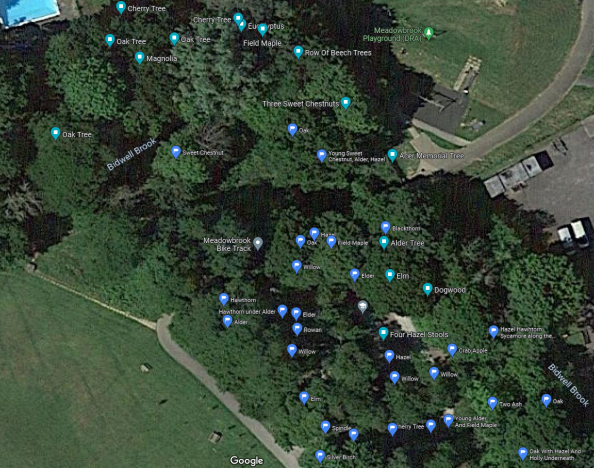
Much of the woodland in the park has grown since 1946, where trees exist mainly in a narrow strip along Bidwell Brook. The photos and map below show how the landscape has changed over the decades, and where the woodland now sits within the park.
Dormouse boxes
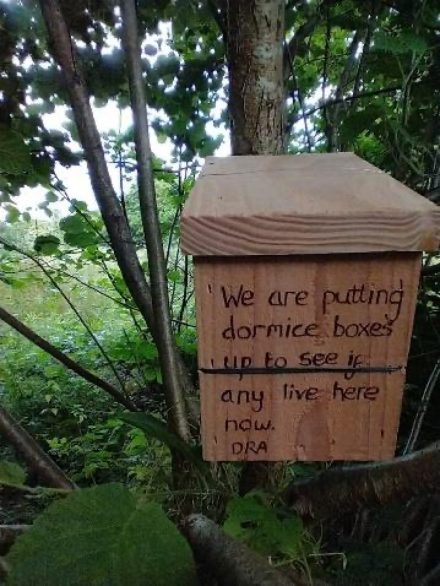
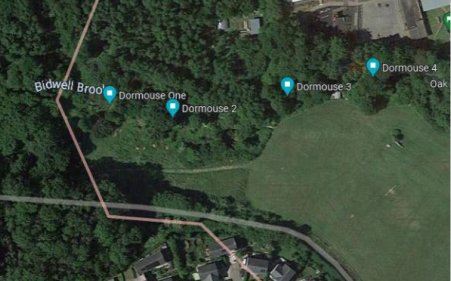
In 2021 four dormouse boxes were installed in the woodland to monitor the presence of this protected species. The boxes are checked regularly as part of the park's ongoing wildlife surveys.
Young trees in Dorothy Elmhirst Field
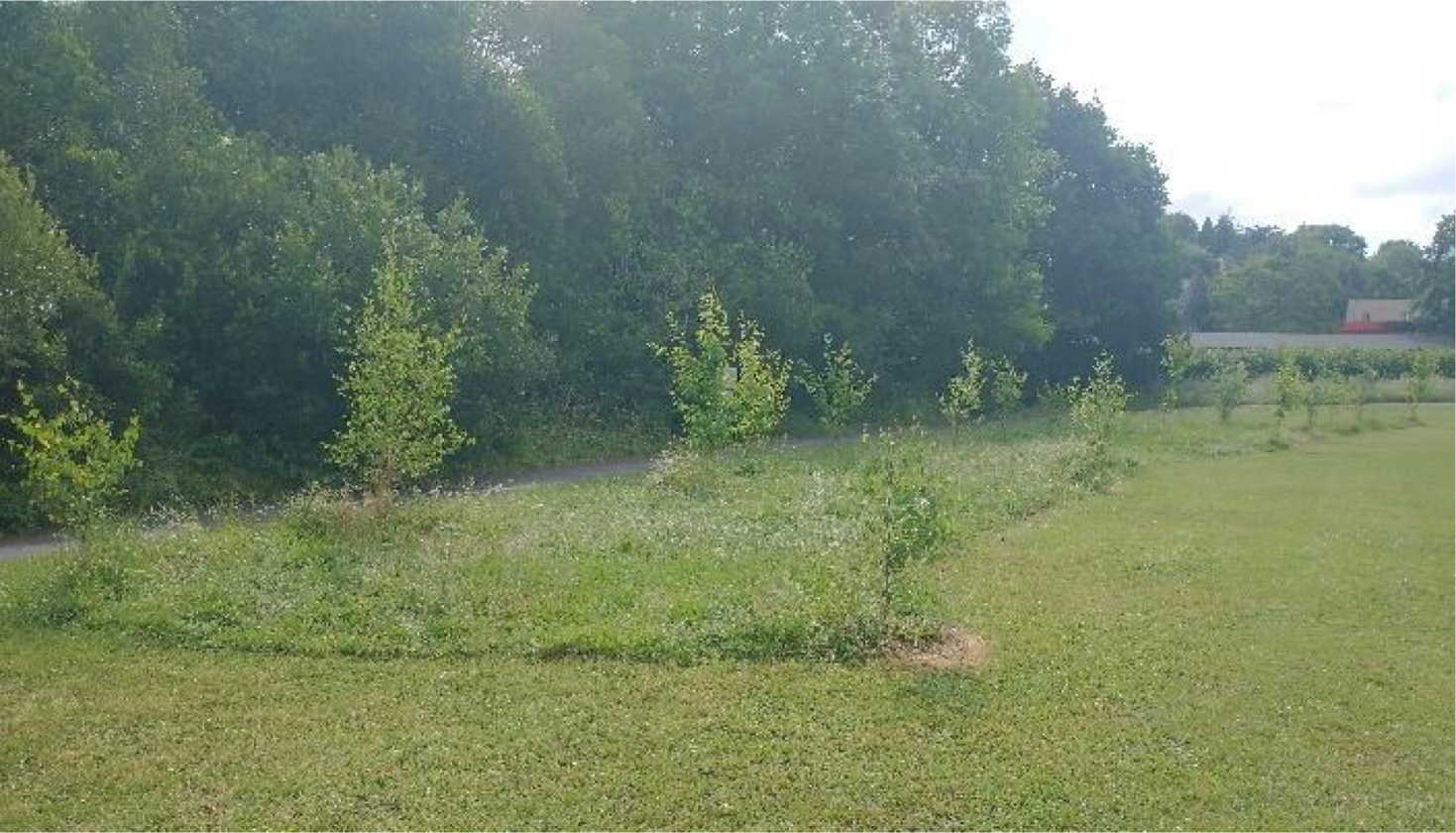
In November 2019, pupils from Dartington Primary and the Wave Academy planted saplings of rowan, wild cherry, field maple and silver birch, donated by the Woodland Trust, along the Bike Track edge of the field and the field edge adjacent to the A385.
These trees are now cared for by community volunteers who water, weed and mulch them as needed. There are three mountain ash adjacent to the A385, eight silver birch, eleven cherry and four rowan on the field.
What lives here
Notable sightings are recorded because of their rarity, protected status, or wider public interest. The park supports a remarkable range of species given its size and urban setting.
Reptiles
Rough grassland and scrub habitat across the site supports both slow worms and grass snakes, recorded on the edge of the Dorothy Elmhirst Field under reptile felts.
Amphibians
The park is likely used by the common toad for foraging and refuge. The common toad is a Priority Species under Section 41 of the NERC Act (2006) due to widespread decline across the UK.
Birds
Parkland and woodland species are well represented, including greater spotted woodpeckers and song thrush. Kingfishers have also been seen along the brook.
Hedgehogs
Hedgehogs have been observed in the playground and the adjacent woods.
Small mammals
The park presents foraging and nesting potential for dormice. Since 2021 no dormouse have been found in the boxes, though mammal surveys in 2023 recorded stoats, bank voles and wood mice on site. The woodland structure is optimal dormouse habitat, though pathways and dog walkers are known to deter this species.
Bats
Mature trees, bat boxes and park buildings all offer roosting opportunities. The park sits within the Greater Horseshoe Bat Landscape Connectivity Zone; Bidwell Brook and its surrounding woodland provide suitable foraging habitat. Greater and lesser horseshoe bat, common and soprano pipistrelle, long-eared bat, Myotis bat (exact species unknown), noctule and barbastelle bat have all been recorded.
Otters
Bidwell Brook is likely used by otters for foraging and dispersal, with recent records of sightings 50 metres upstream to the west in 2022. Otters use dense bankside vegetation for breeding and refuge.
Badgers
Badgers have been recorded in the woods to the west of the site and may forage within the park.
Invertebrates
Signal crayfish are present in the brook. Butterfly species recorded on site include: Brimstone, Orange-tip, Large Skipper, Speckled Wood, Silver-washed Fritillary, Large White, Small White, Ringlet, Meadow Brown, Comma, Peacock, Red Admiral and Tortoiseshell.